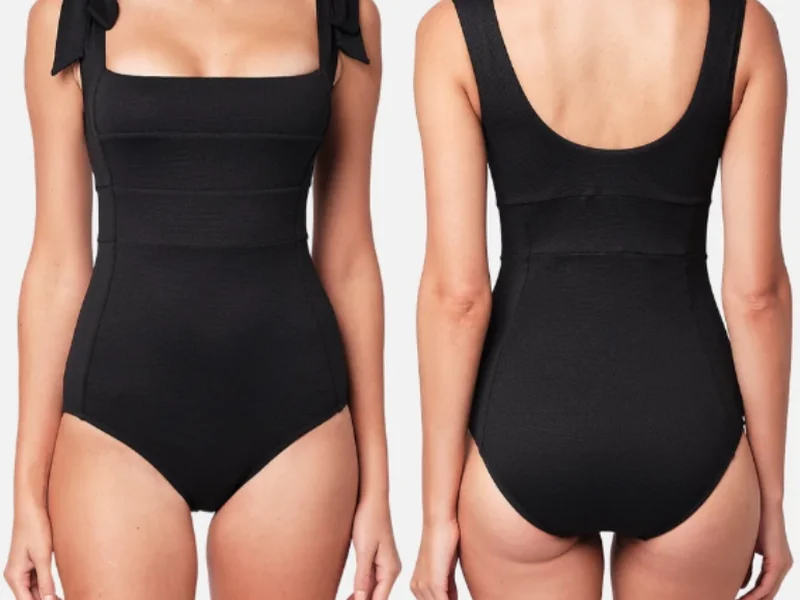
A European swimwear label needed a season color that stayed true across reorders. Two lab dips and one QC gate got them there.
01 — The Challenge: A Color That Can't Drift
The client was a European swimwear label, mid-sized, building a high-end one-piece series around a bold seasonal shade. Swimwear is unforgiving with color: large unbroken panels mean even half a shade of difference is visible from across a fitting room. They had been burned by it before — two batches of the same style from a previous supplier came in with an obvious depth difference between them. Same colorway, different mood.
Their requirement was simple to say and hard to deliver: the swatch they approved, the bulk they received, and the reorder they placed a season later must all read as the same color.
02 — What We Did: Dips, Then a Gate
Fabric from the library, not from a gamble. We matched the series to GZ6031-2, 88% polyester and 12% elastane at 205gsm, our swimwear code with 300 m per color MOQ. The fabric was already proven for chlorine and sun exposure, so the project started on known ground.
Lab dip one — close, not locked. The first lab dip matched the Pantone reference in hue but sat half a shade too deep. That is normal; that is what lab dips exist to catch. We adjusted the dye recipe.
Lab dip two — locked. The second dip matched the reference under standard light sources, and the client approved the physical swatch. "Approved" here is a document, not a handshake: the approved standard becomes the benchmark every later check is measured against.
The dye-lot gate. Before bulk, we ran a small pre-production dye lot on the same recipe, then checked it against the approved standard under the AQL 2.5 protocol — shade graded with grey scale, fabric evaluated at full width, not just at the roll edge. Only when the pre-lot passed did bulk cutting start.
03 — The Outcome: Same Color, Twice
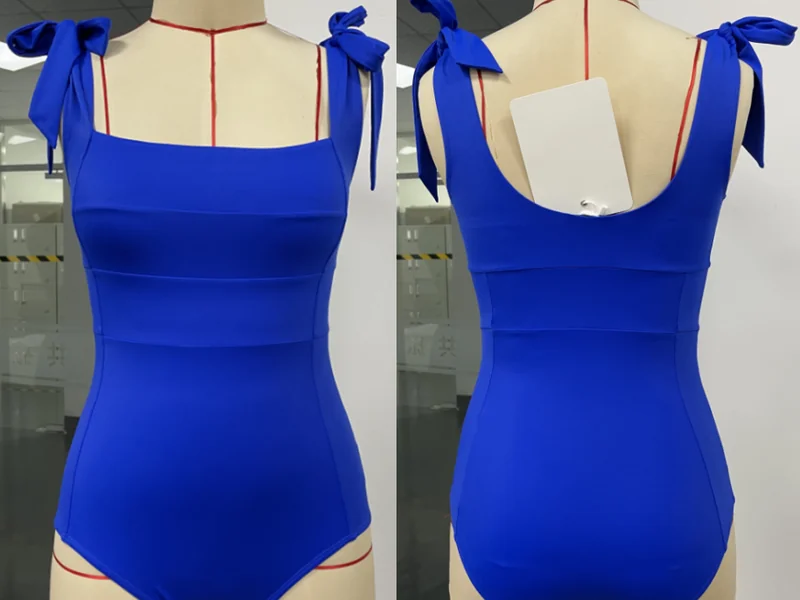
The first order ran at 300 pcs per color. Two separate dye lots were produced across the order, and both were released only after passing the AQL 2.5 shade check against the same approved standard. The client received two lots that matched each other and matched the swatch.
When they reordered later with the same fabric code and the same recipe, the color came back in tolerance on the first check. No re-dipping, no negotiation about "close enough."
04 — Why This Case Is on Our Website
Because color consistency is the most common reason activewear brands stop trusting their factory — and it is entirely preventable with a process. We lock the shade in lab dips, gate it with a pre-production dye lot, and check every bulk lot against the approved standard under AQL 2.5.
We keep every approved standard and recipe on file, so the third order is as true as the first.
Have a shade that needs to stay honest? Send us your color standard or explore our swimwear and activewear range. Related reading: how we choose fabric for activewear.